Anti-inflammatory Diet

Pain is one of the most prevalent health care problems world-wide. Inflammation is often the root of pain. Acute inflammation is the body’s way to heal itself. When an injury occurs, thousands of tiny cells are summoned to perform their individual responsibilities in healing. When healing is complete, inflammation subsides. However, chronic, low grade inflammation, as in arthritis, promotes degeneration of tissue, causing further damage and further pain. Substances generated with chronic inflammation attack healthy cells, blood vessels and tissues instead of protecting them. Often, these attacks go undetected as they continue to age and destroy our body.
Overall health is a major factor in how efficiently reproduction of cells keeps pace with replacement of damaged ones to help our body heal. Many factors contribute to good health. Resistance training lowers inflammation, improves cardiovascular health, prevents atherosclerosis, and can reduce risk of diabetes. Adequate hydration by drinking plenty of water is imperative. Our bodies are 60% water. It is essential for digestion, absorption of nutrients, and elimination of wastes. Adequate hydration is critical in cellular healing.
Healthy eating is a key aspect in overall health. This isn’t about dieting. Actually, dieting is counterproductive as it slows our rate of metabolism when the body goes into survival mode, sending fuel to support the organs rather than to our muscles to burn fat. This is why you feel tired and lethargic.
Certain foods also cause chronic inflammation that leads to cancer, heart disease and arthritis. Our diet affects how we feel, joint pain, and energy levels. Packaged foods are aimed at convenience, but they are not healthy. They generally contain high amounts of preservatives, colorings, and added chemical. They tend to be high in fat, salt, and sugar. Cooking methods also matter. Avoid deep frying and cooking methods that saturate your food with unnecessary calories. Do not boil vegetables. This not only drains them of color, but of nutrients as well.
NTXMSK recommends the concepts found in Mediterranean diets. These diets vary because there is variation between Mediterranean countries. They do, however, have several things in common:
  • Eating fish and seafood two times per week, particularly salmon as it is high in Omega-3 fatty acids.
  • Eating fresh, unprocessed vegetables and fruits, particularly kale and dates Nuts and seeds, particularly walnuts
  • Healthy fats such as virgin olive oil and avocados
  • Poultry
  • Whole grains
  • Herbs and spices, particularly garlic. Ancient Greek physician Hippocrates, often called the father of medicine, valued the role of food in maintaining good health. He often prescribed garlic in treatment of medical. Its use was also documented by civilizations, including the Egyptians, Babylonians, Greeks, Romans and Chinese. Modern science has confirmed the health benefits of garlic and contribute this to sulfur compounds formed when a garlic clove is chopped or crushed.
  • Water is a primary component in the Mediterranean diet and red wine is also allowed in moderation.
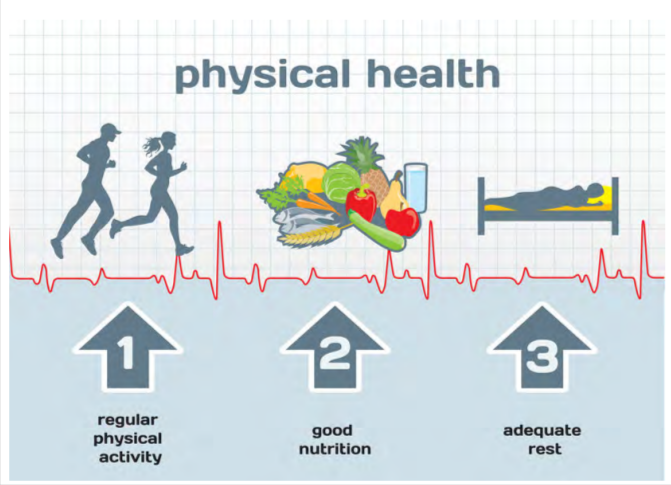
Physical health

Recommended Anti-inflammatory Foods and Supplements

Pain is one of the most prevalent health care problems world-wide. Inflammation is often the root of pain. Acute inflammation is the body’s way to heal itself. When an injury occurs, thousands of tiny cells are summoned to perform their individual responsibilities in healing. When healing is complete, inflammation subsides. However, chronic, low grade inflammation, as in arthritis, promotes degeneration of tissue, causing further damage and further pain. Substances generated with chronic inflammation attack healthy cells, blood vessels and tissues instead of protecting them. Often, these attacks go undetected as they continue to age and destroy our body.
Overall health is a major factor in how efficiently reproduction of cells keeps pace with replacement of damaged ones to help our body heal. Many factors contribute to good health. Resistance training lowers inflammation, improves cardiovascular health, prevents atherosclerosis, and can reduce risk of diabetes. Adequate hydration by drinking plenty of water is imperative. Our bodies are 60% water. It is essential for digestion, absorption of nutrients, and elimination of wastes. Adequate hydration is critical in cellular healing.
Healthy eating is a key aspect in overall health. This isn’t about dieting. Actually, dieting is counterproductive as it slows our rate of metabolism when the body goes into survival mode, sending fuel to support the organs rather than to our muscles to burn fat. This is why you feel tired and lethargic.
Certain foods also cause chronic inflammation that leads to cancer, heart disease and arthritis. Our diet affects how we feel, joint pain, and energy levels. Packaged foods are aimed at convenience, but they are not healthy. They generally contain high amounts of preservatives, colorings, and added chemical. They tend to be high in fat, salt, and sugar. Cooking methods also matter. Avoid deep frying and cooking methods that saturate your food with unnecessary calories. Do not boil vegetables. This not only drains them of color, but of nutrients as well.
NTXMSK recommends the concepts found in Mediterranean diets. These diets vary because there is variation between Mediterranean countries. They do, however, have several things in common:

Kelp

Kelp contains fucoidan, a complex carbohydrate that is antiinflammatory and anti-oxidative. Fucoidan works to thin the blood to help prevent heart attack and stroke caused by clots. It also enhances the immune system. The high fiber content has a slow absorption rate to help promote weight loss. Fucoidan has also been shown to block the development and growth of cancer cells. livestrong.com/article/305213-what-is-fucoidan

Extra virgin olive oil

Virgin olive oil is often referred to as the Mediterranean’s secret to longevity. The monounsaturated fats in olive oil are converted into anti-inflammatory agents by the body. Avocados have a fat composition similar to olive oil making them an excellent antiinflammatory food.

Whole grain

Healthy whole grains offer far more than refined white products. Whole grains also have a lower glycemic index, so they help you feel full longer and sustain your energy level. Use brown rice and whole grain pasta. Adding quinoa to your salads to adds nutrients.

Green tea

The flavonoids in green tea are natural anti-inflammatory substances.
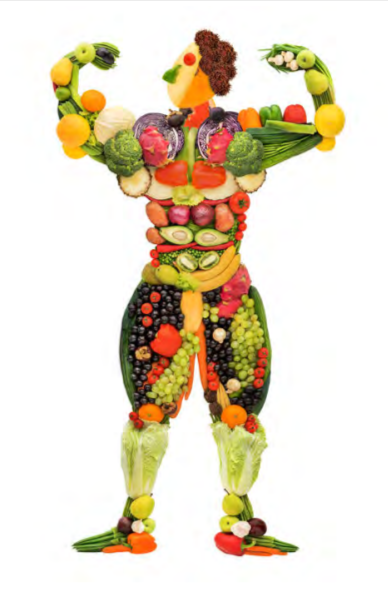
Fruits and vegetables in the shape of fitness body

Berries

Blueberries are high in phytonutrients that are effective anti-inflammatory protection and strong antioxidants. Blackberries, strawberries, and cranberries are equally high in antioxidants. Avoid berries with pesticides as they are hard to wash off.

Plant-based anti-inflammatories: Tumeric, Curcumin

Tumeric is an Asian spice commonly found in curry that contains curcumin. The plant is related to ginger which has many of the same benefits. Studies show that turmeric has anti-inflammatory qualities comparable to NSAIDs, but without the secondary effects. Boswellia, the gum resin from an Indian tree, more commonly known as frankincense, has been used for centuries to treat inflammatory conditions. A study published in the Indian Journal of Pharmacology found the following results: “…Boswellia serrata significantly increased pain threshold force and time and pain tolerance force and time when compared to baseline and placebo with good safety and tolerability.”

Omega-3 fatty acids

Wild salmon is an excellent source of EPA (eicosapentaenoic acid) and DHA (docosahexaenoic acid), two potent omega-3 fatty acids that help to control inflammation. Omega-3 fatty acids are also available from high quality fish oil supplements. Flaxseeds and walnuts also supply omega-3 fats, but the conversion has been found to be low. Increase Omega-3 helps to balance Omega-6 that are prevalent in Western diets. Human cells cannot convert Omega-6 to Omega-3 because they lack the converting enzyme. As the imbalance accumulates, anti-inflammatory reactions such as arthritis and heart disease increase.

Magnesium

Magnesium deficiency results in an increase in C-reactive protein concentration- the same marker that trans-fatty acids elevate. Adequate magnesium levels have been shown to improve. Cardiovascular health and lower levels of oxidative stress.

Zinc

The US population has chronically low zinc levels. Adequate zinc minimizes inflammation and is related to testosterone levels.

Avoid

Trans fatty acids and common cooking oils

Diets high in omega-6 fatty acids promote inflammation. These trans fatty acids increase levels of “bad” cholesterol while lowering “good” cholesterol. They promote inflammation, obesity and resistance to insulin, the perfect breeding ground for degenerative illness.

Refined sugar

Dairy products

As much as 60% of the world’s population cannot digest milk. It is also a common allergen that can trigger inflammatory responses.

Meat that is not free range

Soybeans and corn are the primary diet for animals that are not free range. These foods are high in inflammatory omega-6 acids and low in anti-inflammatory omega-3. These animals are also often injected with growth hormones and fed antibiotics.

Artificial food additives

Aspartame and monosodium glutamate, MSG, are believed to trigger inflammation.

Refined grains

Nutritional value normally found in whole grains, fiber and vitamin B, are lost during refinement. The bran and germ are no longer available as food. Refined grains have a higher glycemic index can contribute to onset of degenerative diseases

Red and processed meat

An accumulation of evidence shows a clear link between high intake of red and processed meats and a higher risk for heart disease, cancer, diabetes, and premature death. A general recommendation is that people should stick to no more than two to three servings per week.
“Let food be thy medicine, let medicine be thy food.” – Hippocrates
Pain is one of the most prevalent health care problems world-wide. Inflammation is often the root of pain. Acute inflammation is the body’s way to heal itself. When an injury occurs, thousands of tiny cells are summoned to perform their individual responsibilities in healing. When healing is complete, inflammation subsides. However, chronic, low grade inflammation, as in arthritis, promotes degeneration of tissue, causing further damage and further pain. Substances generated with chronic inflammation attack healthy cells, blood vessels and tissues instead of protecting them. Often, these attacks go undetected as they continue to age and destroy our body.
Overall health is a major factor in how efficiently reproduction of cells keeps pace with replacement of damaged ones to help our body heal. Many factors contribute to good health. Resistance training lowers inflammation, improves cardiovascular health, prevents atherosclerosis, and can reduce risk of diabetes. Adequate hydration by drinking plenty of water is imperative. Our bodies are 60% water. It is essential for digestion, absorption of nutrients, and elimination of wastes. Adequate hydration is critical in cellular healing.
Healthy eating is a key aspect in overall health. This isn’t about dieting. Actually, dieting is counterproductive as it slows our rate of metabolism when the body goes into survival mode, sending fuel to support the organs rather than to our muscles to burn fat. This is why you feel tired and lethargic.
Certain foods also cause chronic inflammation that leads to cancer, heart disease and arthritis. Our diet affects how we feel, joint pain, and energy levels. Packaged foods are aimed at convenience, but they are not healthy. They generally contain high amounts of preservatives, colorings, and added chemical. They tend to be high in fat, salt, and sugar. Cooking methods also matter. Avoid deep frying and cooking methods that saturate your food with unnecessary calories. Do not boil vegetables. This not only drains them of color, but of nutrients as well.
NTXMSK recommends the concepts found in Mediterranean diets. These diets vary because there is variation between Mediterranean countries. They do, however, have several things in common:

CARBS

NTXMSK4LIFE

Carbohydrates: Are they good? Are they bad? What are they?
Carbohydrates are good for us… in fact, they are considered a must for our body to function properly. That said, everyone has a different body, type as you learned and requires different amounts of carbohydrates.
There are 2 types of carbs…. simple carbs and complex. Really what you need to know is…one burns FAST and one burns SLOW.

Simple carbs are FAST burning… things that have a lot of sugar, like bananas, pineapple, tropical fruits, candy, and white breads. Things that are “processed”. Chips, pastry, sugar filled coffee and most energy bars and drinks like Gatorade. These give you quick energy and a quick pick me up!

Complex carbs are slow burning…. complex carbs have lots of nutrients, vitamins, minerals and fiber. It releases slowly into your system and gives you long lasting energy. Think foods like brown rice, sweet potatoes and vegetables.
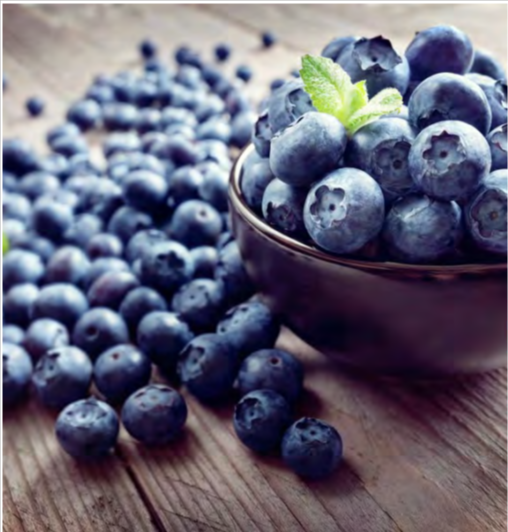
Blueberries

Maintain a Healthy Weight

Our bodies need some glucose, less than we previously thought, for certain body functions. Our bodies are able to make most of the glucose we need without ingesting large amounts.
There may be times when our body needs carbohydrates. If you are working out and not fat-adapted you may need some carbohydrate sources for quick energy. There are many types of working out that can utilize fatty acid or ketones for energy. If you are active and ingest carbohydrates, you may not gain much weight if you use the energy quickly. But, it does not mean you are immune to the effects of a diet high in sugars and refined carbohydrates.

BLUEBERRIES

Wonderful antioxidant and are a good source of vitamin K, vitamin C and manganese. They also contain a good amount of fiber

1 CUP OF BLUEBERRIES

83 calories
21 grams of carbohydrates 3.5 grams of fiber
14 grams of sugar

Carbs to Eat

Quinoa
Wild rice
Teff
Gluten free oatmeal
Apples
Raspberries
Blueberries
Lemons
Oranges
Grapefruit
Kiwi
Apricots
Artichoke
Asparagus
Beet greens
Beets
Bell peppers

Broccoli
Brussels sprouts
Cabbage Carrots
Cauliflower
Celery
Collards
Cucumber
Dandelion
Eggplant
Endive
Green onions
Kale
Kohlrabi
Lettuce
Mushrooms
Mustard greens

Onions
Parsley
Parsnip
Peppers
Pumpkin Radish
Rutabaga
Seaweed
Spinach
Squash
Sweet Potato
Swiss chard
Tomato
Turnip greens
Turnips
Watercress

PROTEIN

NTXMSK4LIFE

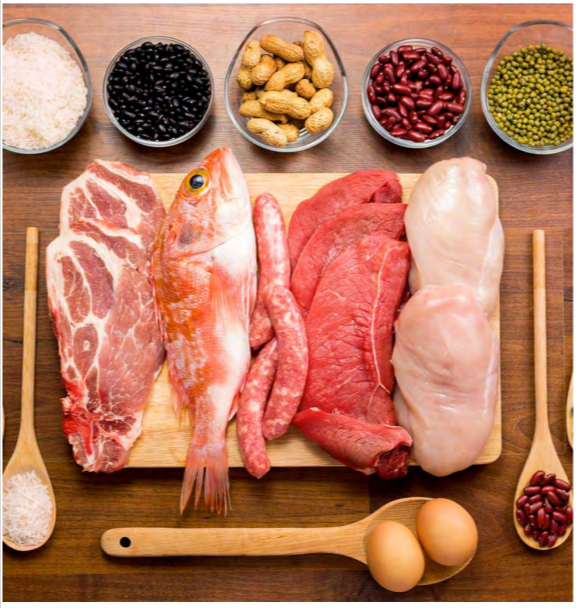
You need enough protein to build and repair muscle. It also plays a role in revving fat- burning metabolism and reducing the hunger pangs that can lead to an attack on the vending machine you know when 2:00 rolls around and you’re going after the snack box. Protein also works to slow the release of carbohydrates into your bloodstream, which can prevent the sudden spikes in blood sugar that are thought to encourage fat storage and sagging energy levels…. that 3:00, 4:00 CRASH.
Focus on healthy protein sources
We need protein for repairing our bodies. Follow recommended amounts and do not feel compelled to have such large amounts as we have been taught. Listen to your body. If you are craving protein, eat more of it.
Try and get local, grass-fed, organic meat, dairy, eggs. vegetables, and fruits when possible.
**If you have a allergy to dairy, eggs or any other source listed… do not choose that as your source of protein and you should consult with your Dr. with regard to how to fulfill your protein
Different types of healthy uncooked proteins
Eggs can be a source of protein with a complete set of amino acids. good fat and will not increase cholesterol.

AGED CHEESES

Ounce for ounce, swiss cheese provides more protein than
other common available cheese varieties in the grocery store.
Try it on your next salad or sandwich!
SWISS CHEESE
1 ounce
108 calories
7.9 grams of fat
8 grams of protein

Protein s to Eat

Beef
Flank steak
Top sirloin steak
Hamburger
London broil
Chuck steak Veal
Pork
Pork loin
Pork chops
Bacon
Pork rinds
Poultry
– dark meat preferred
Fish
– freshwater
Lamb
Eggs

Wild Game
Elk
Venison
Moose
Poultry
Salmon
Tuna
PLANT BASED PROTEIN
Seitan
Tofu
Tempeh
Edamame
Lentils
Nutritional Yeast Spelt

Teff
Hempseed
Green Peas
Spirulina
Chia Seeds
Nuts
Nut butters Broccoli Spinach Asparagus Artichokes Potatoes
Sweet potatoes
Brussels sprouts

women harvesting potatoes in field

FAT

NTXMSK4LIFE

If I eat fat, it will make me fat! NOOOOO Fat does not cause you to have extra fat on your body. Having sugar, refined grains, too many carbohydrates and Trans fats and hydrogenated oils (margarine, vegetable oil and french fries) are bad for you and will cause you to gain weight. These types of fats have been “artificially” manipulated into saturated fats.
We are finding that fat doesn’t make you fat. It is the insulin response to a high carbohydrate/sugar load that stimulates your body to store all that extra energy as fat for future use. This is not a free for all diet plan where you can have more fats thinking you will lose weight. If you do not decrease your insulin through decreasing total carbohydrate consumption, the fat you eat will indeed make you fat. You can NOT have high fat and high carb, or the carbs will tell your body to spike insulin and store it ALL as fat.
You need to relearn how to cook. A low carb/high fat diet can also be plant based. In fact, all nutrition plans should have a healthy plant base to them. Green leafy vegetables and cruciferous vegetable should always fill the bulk of your plate.
Anti-inflammatory-diet
Those foods are packed with water, phytonutrients and fiber and low in calories and carbohydrates. It is more difficult to be strict vegan, but it can still be a plant-based approach with meat and dairy consumption individualized. Skipping meat a few days a week is easy and making sure that the meats you do consume are high quality, pasture grass fed and organic is important to prevent negative effects from high grain fed, hormone and antibiotic pumped mass-produced animal protein sources.

AVOCADO

Wonderful antioxidant and good source of vitamin K, vitamin C and manganese. They also contain a good amount of fiber.
227 calories
13 grams of carbohydrates 10 grams of fiber
1 gram of sugar
22 grams of healthy fats.

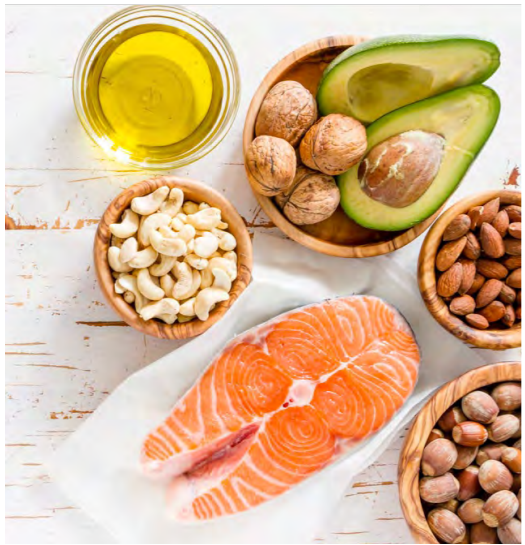
Fats to Eat

Avocado
Butters:
Real Butter
Almond butter
Peanut butter
Cashew butter
Ghee

Oils
Avocado oil
Coconut oil
Olive oil
Nuts & Seeds
Chia seeds
Pumpkin seeds

Sesame seeds
Flax seeds
Hemp seeds
Almonds
Cashews
Pecans
Walnuts

Omega Rich Foods: understand the role fats play in your health

EPA (eicosapentaenoic acid) and DHA (docosahexaenoic acid) are two potent omega-3 fatty acids that help to control inflammation.
Omega 3’s – polyunsaturated fats. A type of fat that your body can’t make. Because your body can’t make them they are considered “essential” meaning you MUST get them from your diet. See the list below to see how you can get Omega 3’s!
Omega 6’s – also polyunsaturated fats. These fats are primarily used for energy. The typical American diet contains more than enough of these types of fats.
Omega 9’s -Monounsaturated fats. These fats can be produced by the body and, in fact, are the most abundant fats in most cells of the body.

Omega 3’s
Salmon
Mackerel
Sardines
Anchovies
Chia Seeds
Walnuts
Flaxseeds

Omega 6’s
mayonnaise
walnuts
sunflower seeds
almonds
cashew nuts

Omega 9’s
olive oil
cashew nut oil
Almond oil
Avocado oil
Almonds
Cashews
Walnuts

HABITS

DAILY HABITS

To find your own personal optimum health, give your body the basic needs…
Thinking – Keep your thoughts positive and practice mindfulness
Breathing – Deep breaths from your diaphragm is vital
Drinking water – Daily, half your body weight in ounces
Eating- Nutritious foods that feed your body
Sleeping – 8 hours is a must to maintain body repair
Movement – Exercise is not only important for your heart and lungs… it’s vital for stress levels and longevity.

Seek balance in your life. Reduce stress. Our body is a community of trillions of cells all working together in synchronicity. The health of these individual cells creates our overall health. Stressed out, unhealthy cells result in disease or bodily dysfunction. Cells constantly subjected to emotional and physical stress result in breakdown of our overall health. Good health starts at the cellular level. Treat them well!