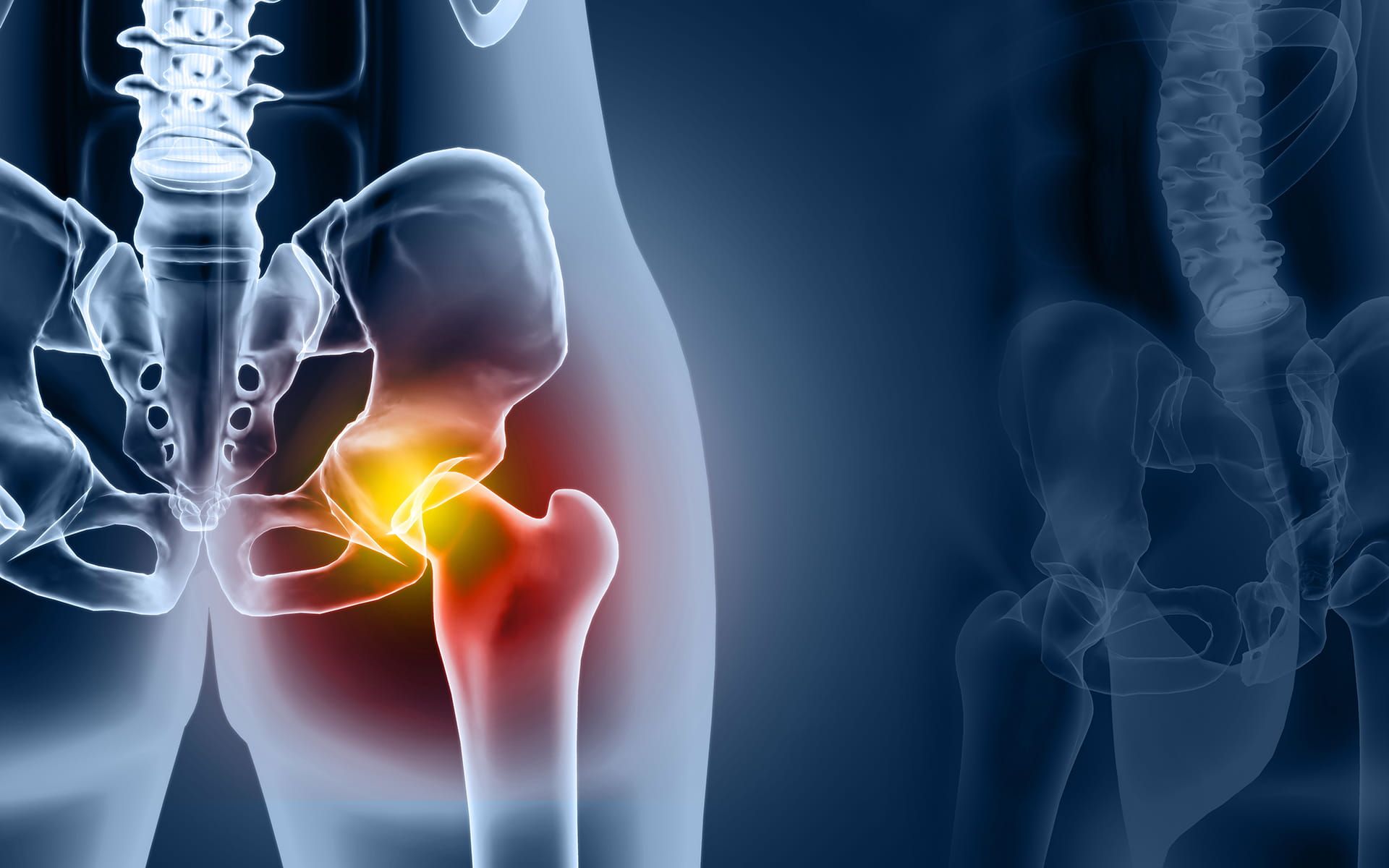
The presence of stem cells helps activate the body’s natural repair processes by supporting the regeneration of healthy tissue. Research that examines the biological mechanisms of cellular health and tissue regeneration is extensive, particularly the role of platelets, stem cells and natural growth factors in the blood and bone marrow. Stem cells are present in all of us, acting as a repair system for the body.
Bodies heal through tissue regeneration. Damaged cells are replaced by new cells that our body naturally generates. Sufficient nutrients, natural growth factors, and stem cells must be present for regeneration to occur effectively. Collagenous tissue in joints, however, can be slow to heal, and healing is often incomplete. This is largely due to blood flow needed to supply cells necessary for regeneration. The thick, fibrous tissue in joints is great for stability, but inhibits blood flow to supply what the body needs to heal.
Another reason that adequate healing may not occur is that stem cells and nutrients in surrounding tissue may have become depleted due to chronic or severe injury, arthritis, or poor cellular health. When availability of stem cells and necessary healing cells does not keep up with healing demands, the body needs a little help.
Regenerative Orthopedic procedures, such as Bone Marrow Aspirate Concentrate, are often referred to as “orthobiologics.” They use naturally derived proteins, growth factors, and stem cells to stimulate and enhance your body’s healing of muscles, bones, tendons, ligaments, and joints. The quarterback on this team of healing cells is mesenchymal stem cells.
The presence of stem cells is key in stimulating the body’s natural repair system by inducing the proliferation of cells. Research that examines the biological mechanisms of cellular health and tissue regeneration is extensive, particularly the role of platelets, stem cells and natural growth factors in the blood and bone marrow. Stem cells are present in all of us, acting as a repair system for the body. Mesenchymal stem cells (MSCs) have two primary functions: differentiation into functional cells such as cartilage and coordination of the healing process.
Bone marrow concentrate is a minimally invasive, same-day procedure designed to help the body repair damaged cells. With increased age or chronic injury, often the optimal amount of stem cells is not available. Injury, arthritis and poor cellular health disrupt the availability of stem cells needed for tissue repair resulting in the body’s inability to keep pace with healing requirements. When this demand outpaces the supply, the body needs a little help. Some patients explore these procedures as a non-surgical option for conditions such as osteoarthritis. Outcomes vary and are not guaranteed. Some patients report improved joint function and reduced pain after bone marrow concentrate procedures. Individual results vary, and these procedures are not FDA-approved to treat any disease. Read more about how this works.
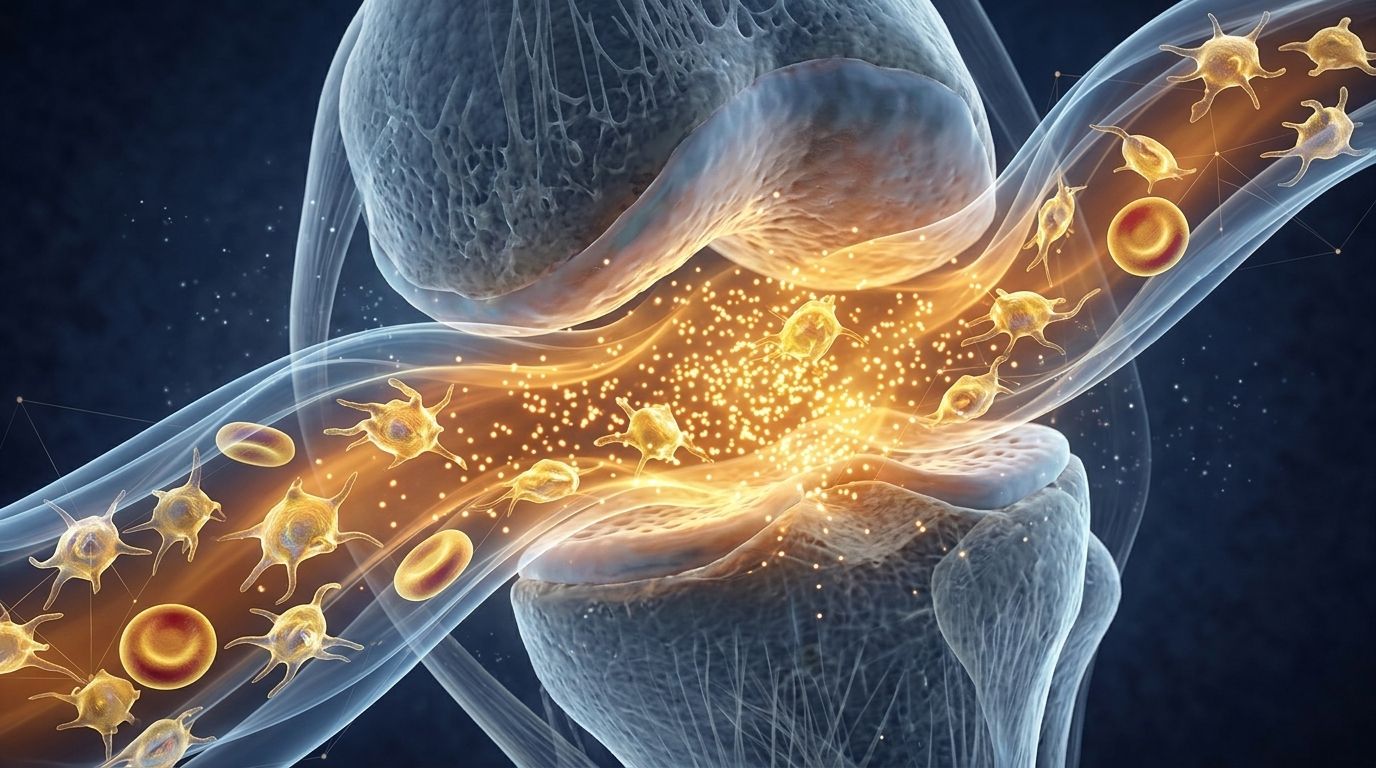
Dr. Minotti is specialty trained in Neuromusculoskeletal Medicine. He combines his intensive training in the musculoskeletal system with advanced training in Regenerative Medicine, specifically as applied to orthopedic conditions. He conferences regularly with the world’s leading physicians to provide his patients with the most effective treatments that science has to offer.
Founder of North Texas Musculoskeletal Medicine in Southlake TX, Dr. Minotti believes that orthobiologic procedures, such as Platelet Rich Plasma (PRP) and Stem Cell Therapy, are a new frontier in medicine, offering treatments that effectively bridge the gap between medications that mask pain and invasive surgery.
He has helped thousands of patients find freedom from pain to restore their quality of life. Dr. Minotti is honored to be recognized by his peers with the Top Docs award. He also serves as an adjunct professor at University of North Texas Health Science Center.
Numerous conditions can be considered for PRP. Based on current research and clinical experience, moderate to severe cases of osteoarthritis and tendon injuries show promising results.
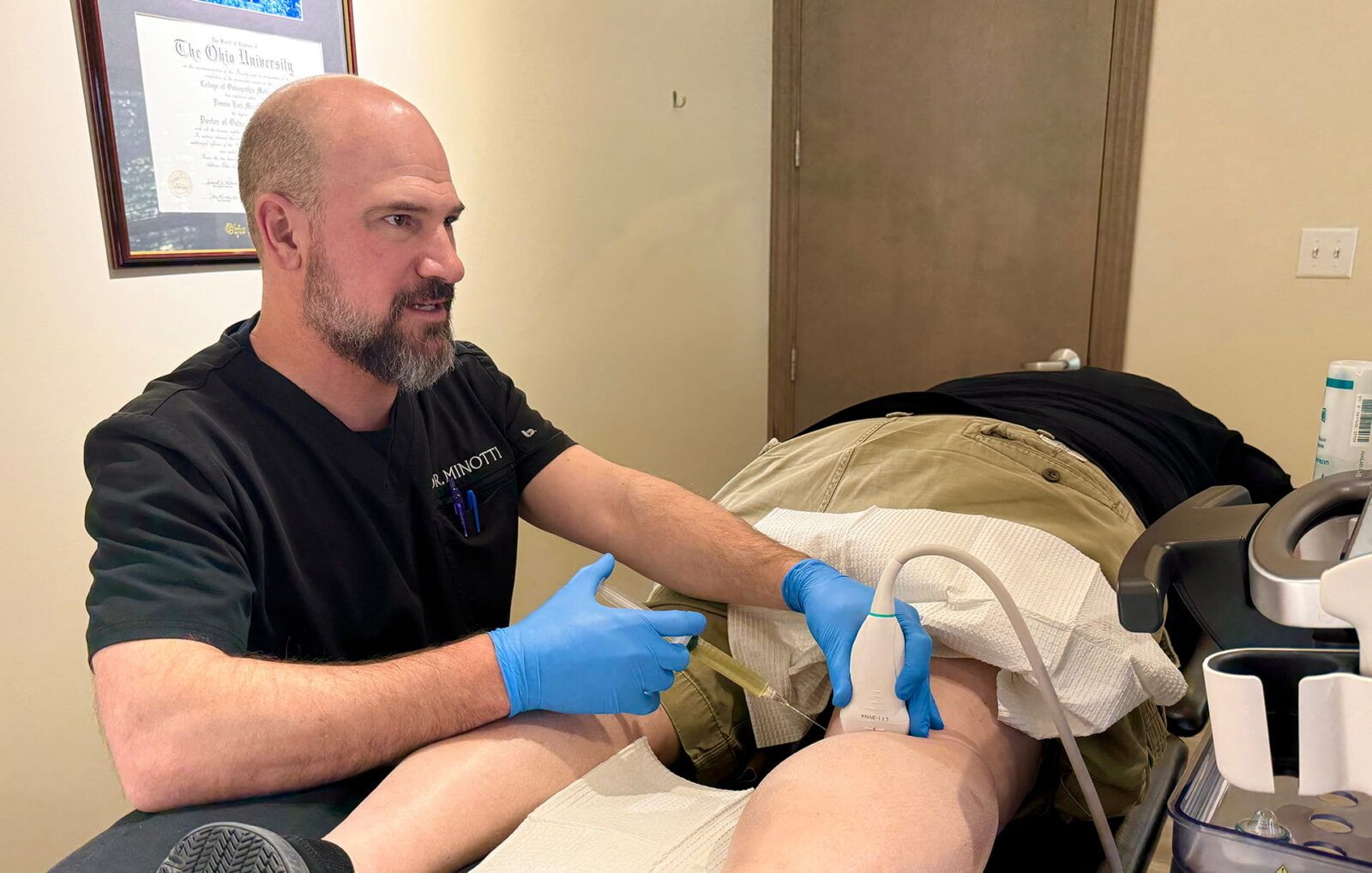
First, a local anesthetic is applied to numb the area of extraction. The bone marrow is extracted from the back of the patient’s pelvis or hip bone using a special needle developed for bone marrow extraction. The collected marrow is filtered and spun in a centrifuge to separate the platelets and stem cells to produce the bone marrow aspirate concentrate (BMAC).
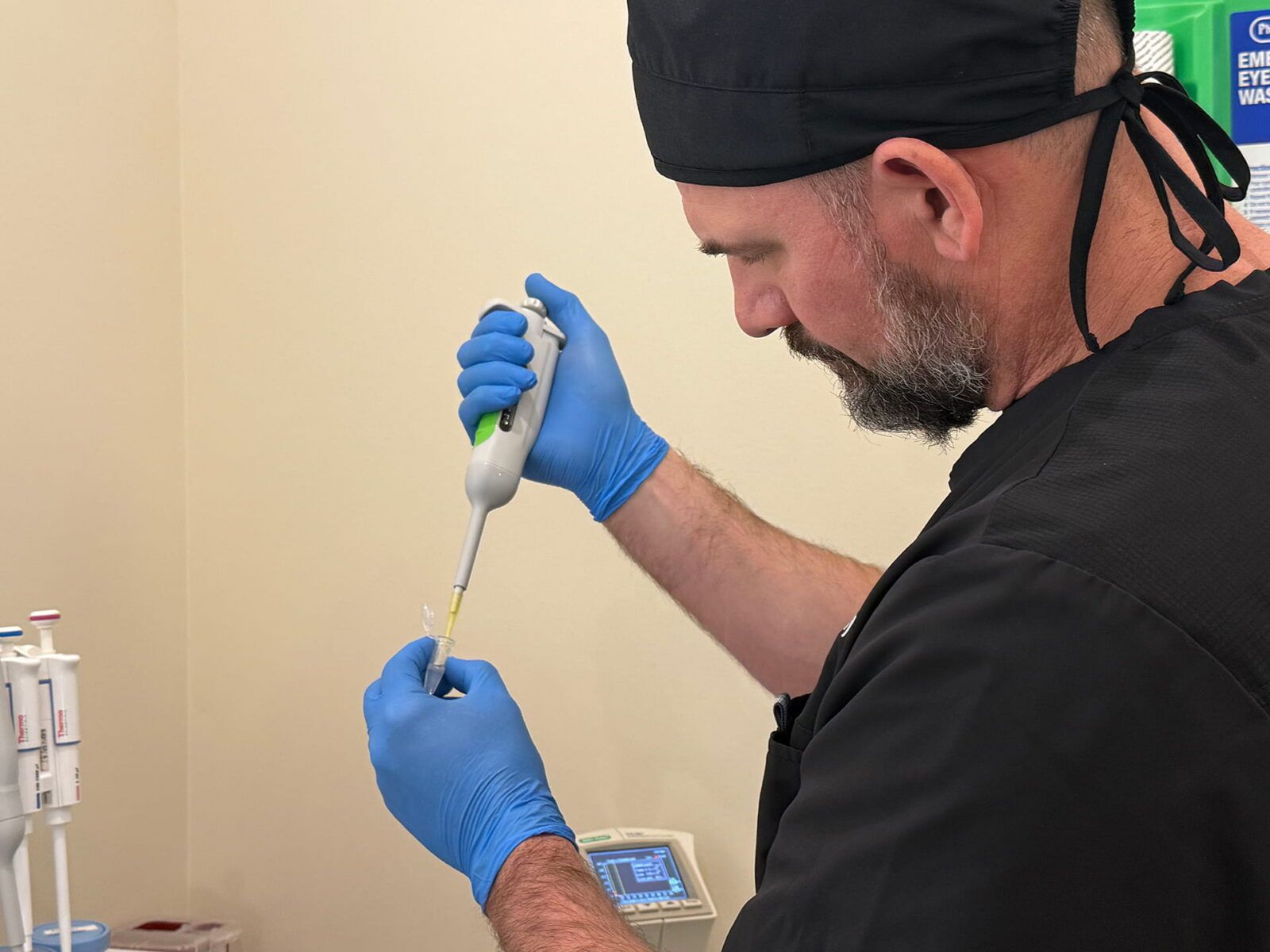
Scientific advances in the understanding of how the body actually heals through tissue regeneration, combined with rapid developments in stem cell biology, have truly created a renaissance in medical treatment. Stem cells, like other medical products that are intended to treat, cure or prevent disease, require U.S. Food and Drug Administration (FDA) approval before they can be marketed. At this time, only cells harvested from the patient’s own body and that are only minimally manipulated have been approved by the FDA.
Additionally, devices that allow physicians to minimally manipulate blood, bone marrow and adipose tissue for the treatment of orthopedic conditions also require FDA approval. NTXMSK recognizes and welcomes the FDA’s important role in assuring patient safety. We structure our protocols to align with FDA guidance on human cells, tissues, and cellular/tissue-based products (HCT/Ps), including the same-surgical-procedure provisions for autologous, minimally manipulated tissue.
To learn more about what we can do to help with your condition, call our office at 817-416-0970. We will thoroughly diagnose your condition and present you with treatment options. From there we will guide you along your road to recovery.